PPL application on eGCA: how to apply for a private pilot licence in India
If you have finished your flying training and cleared the written examinations, the next milestone is the licence itself. In India, the Directorate General of Civil Aviation (DGCA) issues the Private Pilot Licence (PPL) through eGCA, its online platform for licensing and related services. The portal lives at https://egca.gov.in, and the whole PPL application now runs through it, from filling the form to paying the fee.
This guide gives you a plain walkthrough of the PPL application on eGCA. It covers what you need in place before you start, the step-by-step flow inside the portal, how the fee is paid through Bharatkosh, and the flying-hour minimums that sit behind the application. The steps are written so you can follow them with the portal open in another tab.
What the eGCA portal is for
eGCA is the DGCA system that handles pilot licensing, ratings, medicals, and the records tied to them. It replaced a largely paper-based process, so applications, document uploads, and fee payments now happen in one place against your personal record. Your login is linked to your eGCA ID, which is the identity DGCA uses to track everything you do across the system.
If you have not set up your access yet, that comes first. We cover it in how to get your eGCA ID and the wider pilot registration process with eGCA. Working through those means your login will be ready before you start the PPL application itself.
It is worth being clear about scope here. This post is about the Private Pilot Licence. If you are working toward a commercial career, the Commercial Pilot Licence has a separate application with its own requirements, and we cover that in how to apply for a CPL on eGCA. [VERIFY] The two licences share the same portal but are not interchangeable, so make sure you are applying for the one your training and hours support.
Before you apply: the prerequisites
The PPL application asks the portal to confirm that you already meet DGCA’s requirements, so it helps to have everything in order before you open the form. The core prerequisites are:
- eGCA registration. You need an active eGCA ID to log in and apply.
- Medical fitness. A valid Class 2 medical certificate is the minimum for a PPL, and a Class 1 medical if you intend to add an Instrument Rating. [VERIFY]
- Student Pilot Licence and FRTOL. You should hold a valid Student Pilot Licence (SPL) and a Flight Radio Telephony Operator’s Licence, FRTOL or FRTOL(R). [VERIFY]
- English Language Proficiency. A pass at ELP Level 4 or above is required. [VERIFY]
- Knowledge examinations. You need to have cleared the relevant DGCA written papers, which cover Air Regulations, Air Navigation, Aviation Meteorology, and Aircraft and Engines (technical general and technical specific). For which papers map to which licence, see exams to be cleared in order to get CPL, PPL, ATPL.
- Flying experience in your logbook. Your e-log book and flying-hour records need to support the licence and any rating you are claiming.
If any of these are missing or out of date, sort them out before you start, because the portal will hold up an application where the supporting records do not line up.
Flying-hour minimums for a PPL
Behind the form sits a flying-experience requirement. Under DGCA rules, a PPL (Aeroplane) calls for a minimum of 40 hours of flight time, including a defined amount of solo flying and cross-country experience. [VERIFY] The exact split between dual instruction, solo, and cross-country, and any instrument-time element, is set out in the Civil Aviation Requirements (CAR), so confirm the current breakdown against your training records before you apply. [VERIFY]
The practical point is that the application checks your logged experience against these minimums. Hours that are recorded cleanly and add up to the right totals make this step straightforward. Hours that are scattered, missing, or hard to total are where applications slow down. Keeping an accurate, well-organised logbook from your first training flight pays off exactly here.
How to apply for a PPL on eGCA, step by step
With your prerequisites in place and your eGCA login ready, the application runs through the portal as follows.
-
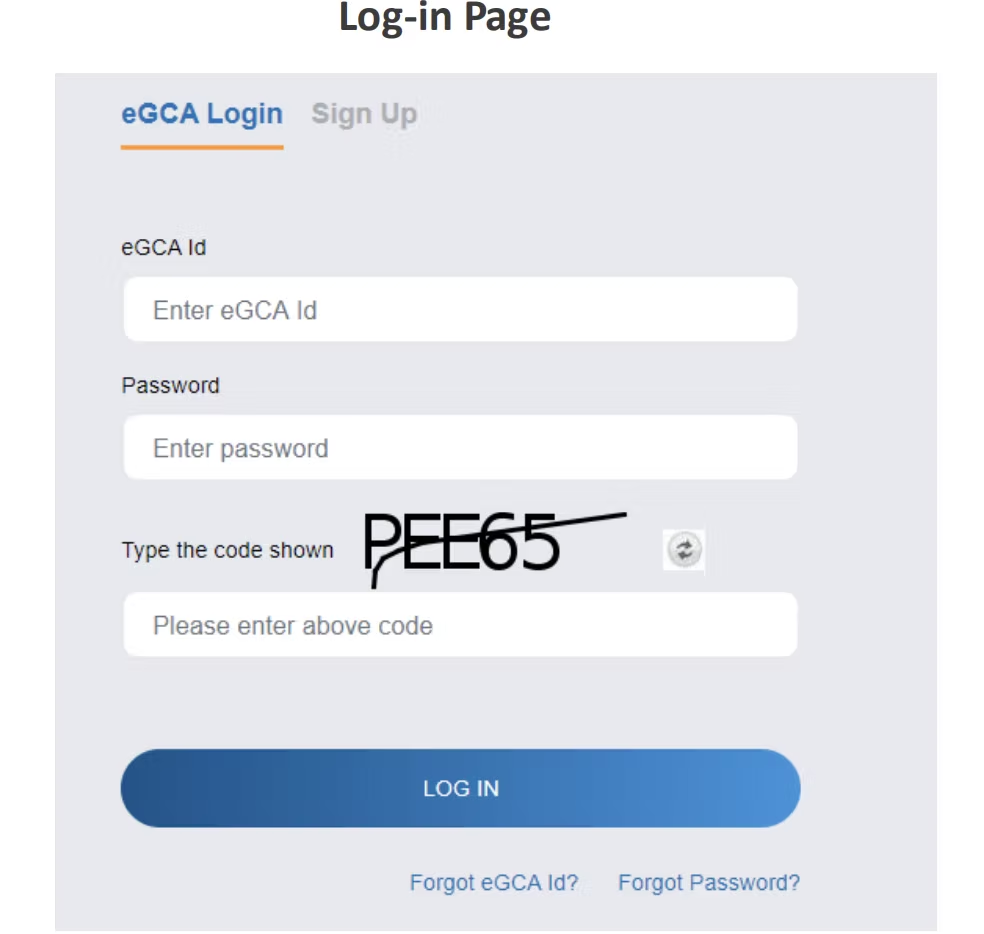
Log in to the eGCA portal. Go to https://egca.gov.in and sign in with your eGCA ID and password.
-
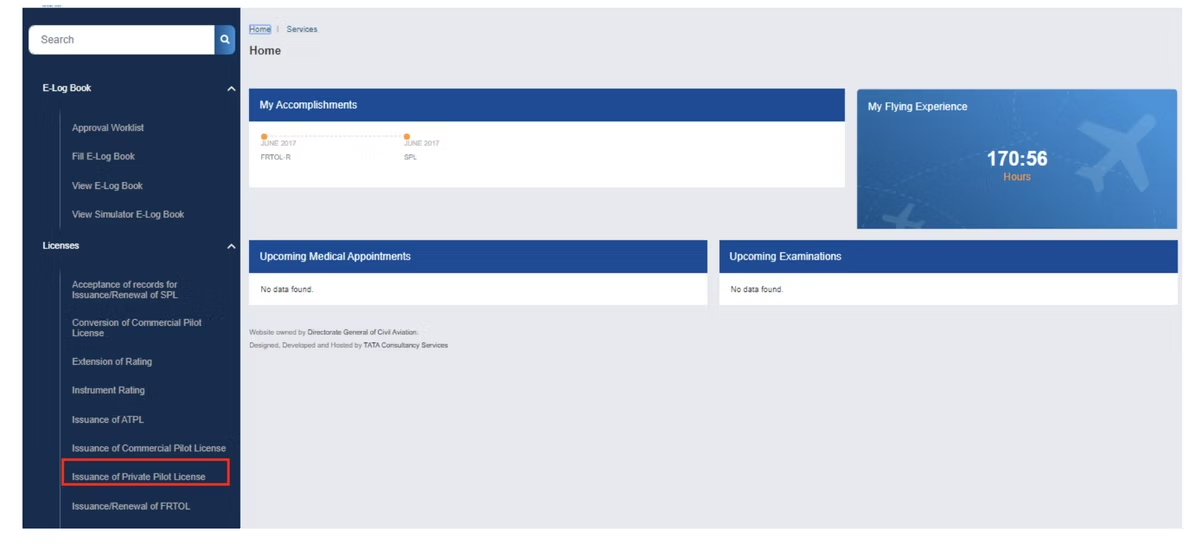
Open the licensing service for PPL issuance. From the services menu, find the licence section and select the issuance of PPL service. [VERIFY]
-
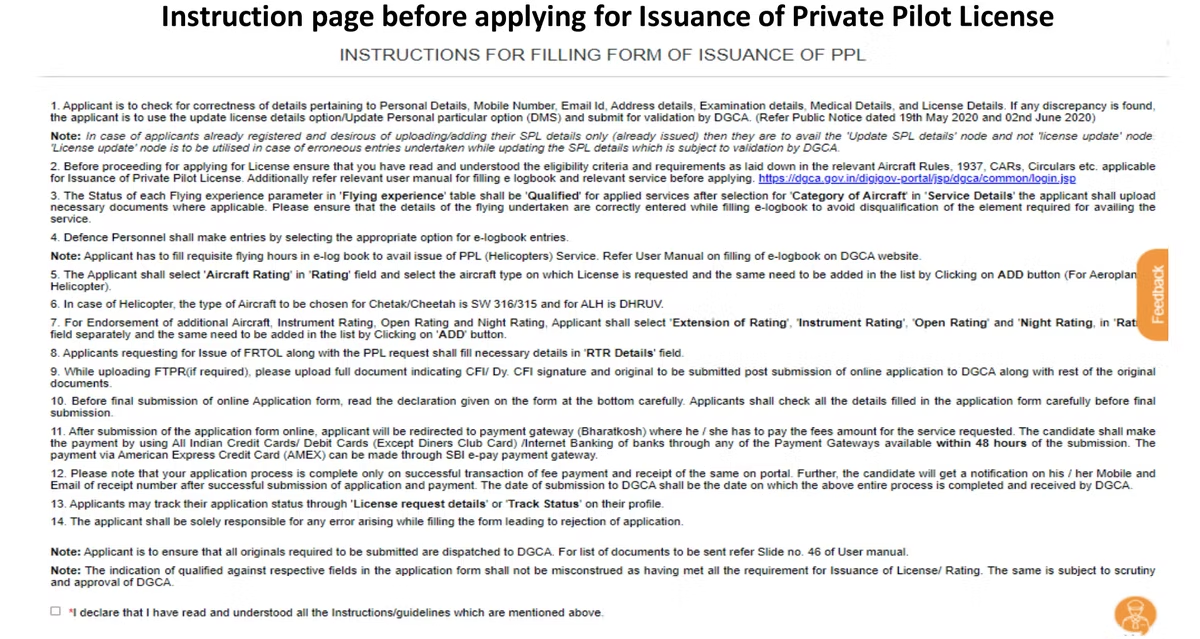
Read the instructions. Work through the instruction page and the user manual before you start filling anything in, so you know what each section expects.
-
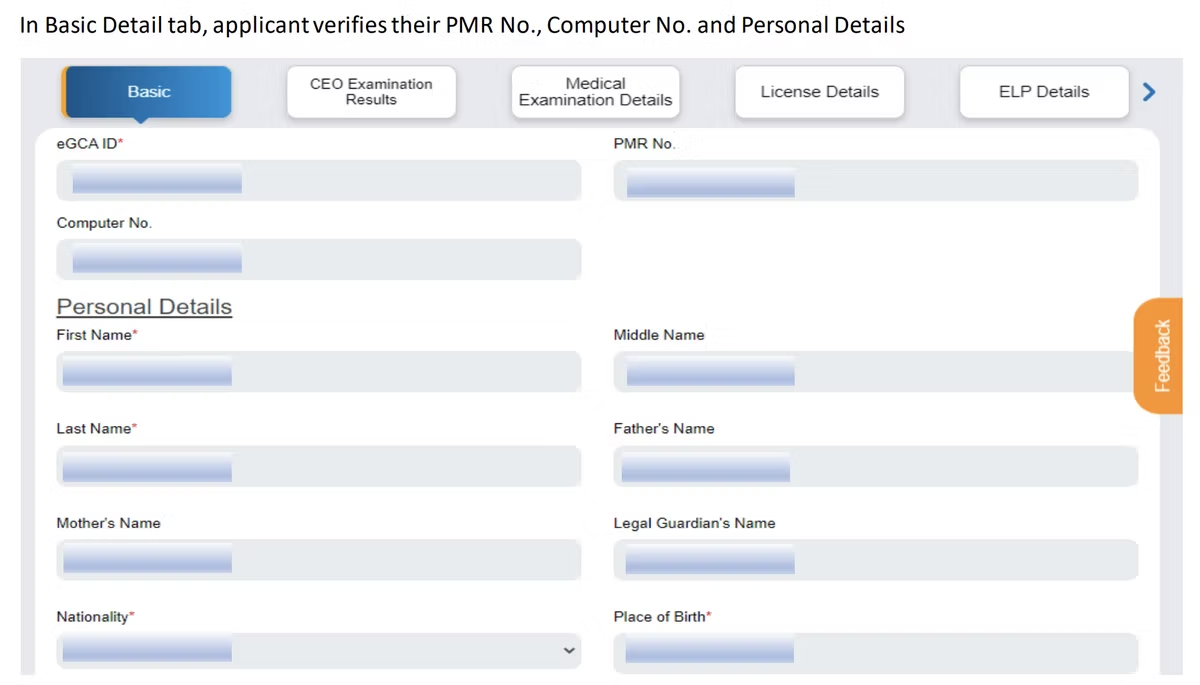
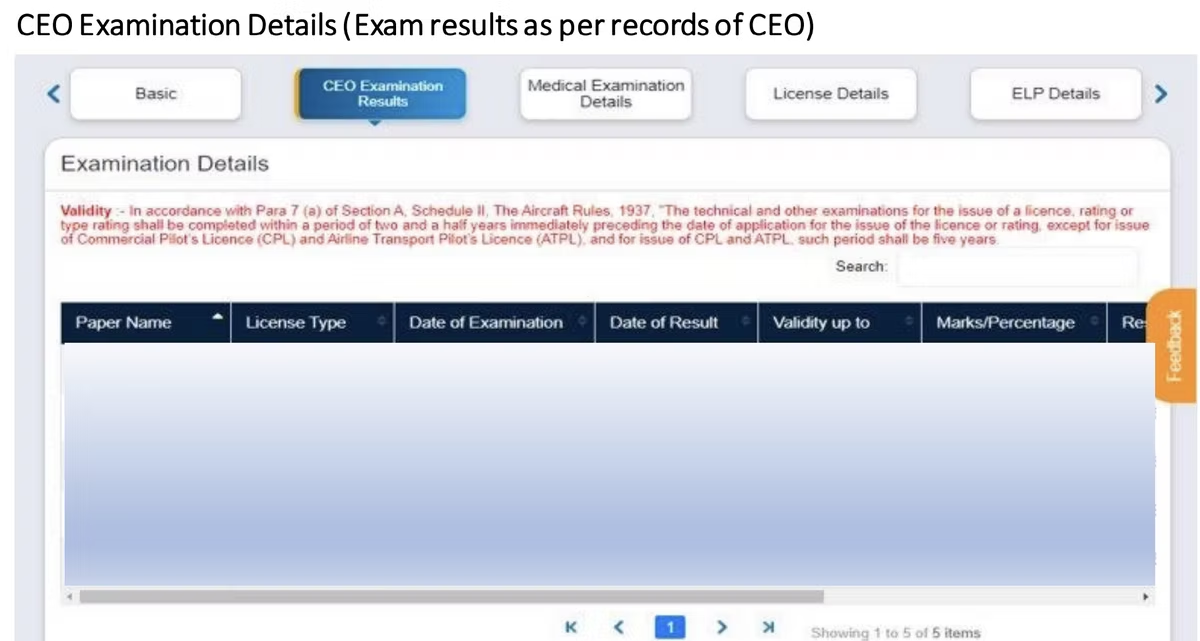
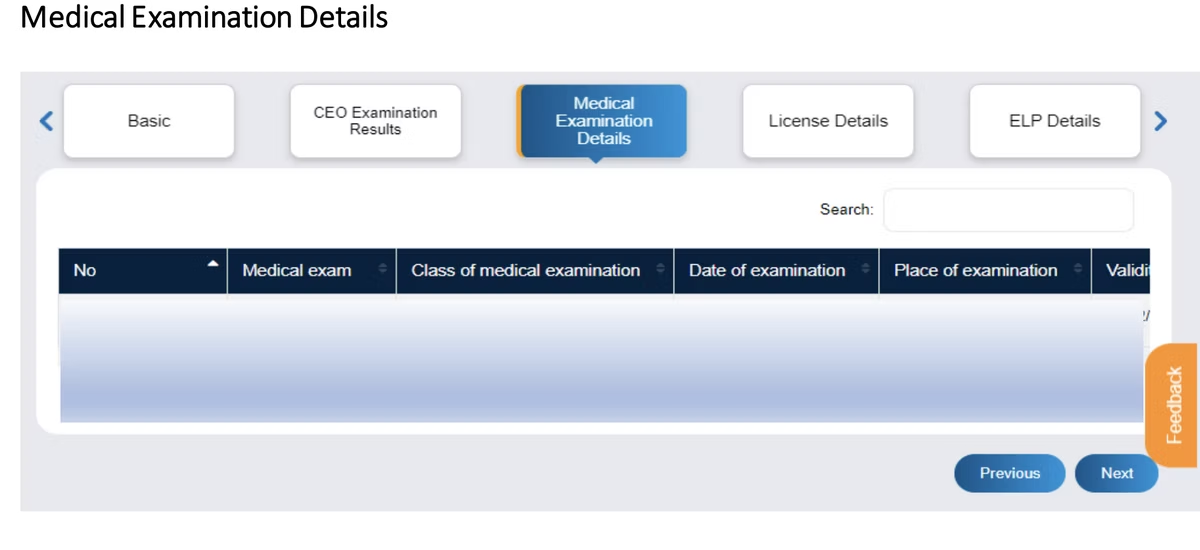
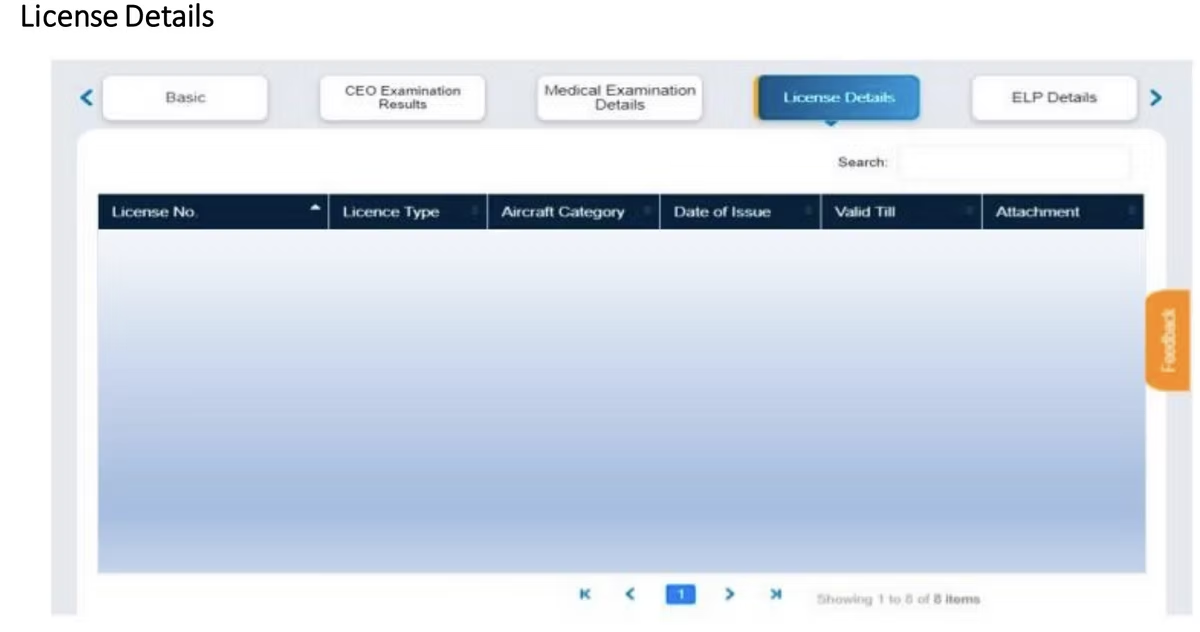
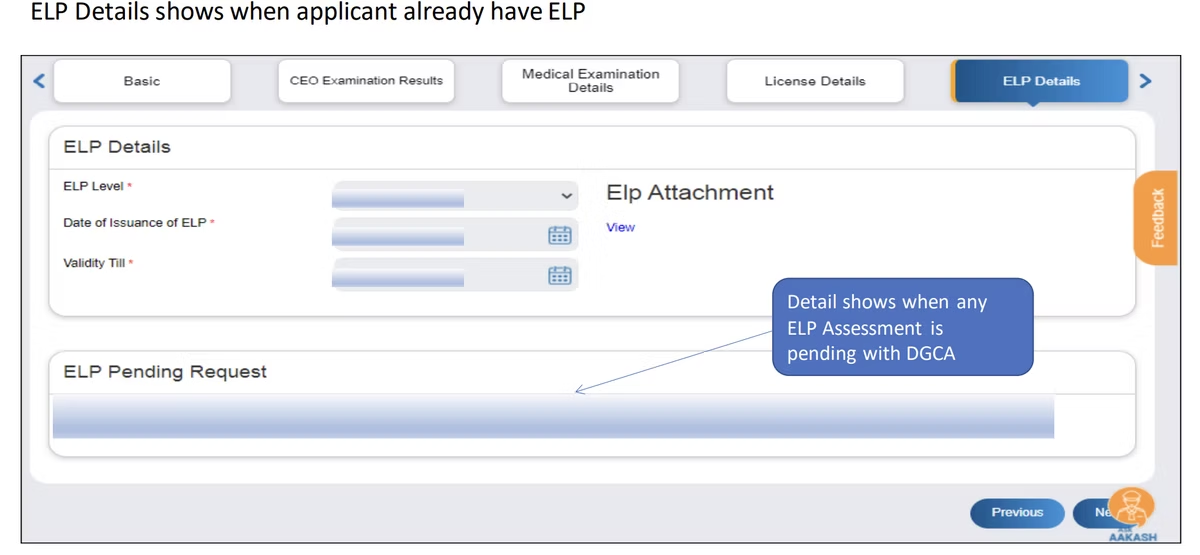
Verify your basic details. Check that your personal details, examination details, medical details, licence details, and ELP details are correct as held on your record. These are pulled from your existing eGCA data.
-
Rectify any discrepancies. If anything is wrong or out of date, correct it through the relevant channel before you continue, rather than submitting an application against incorrect records.
-
Complete the PPL application form. Fill in the issuance-of-PPL form itself.
-
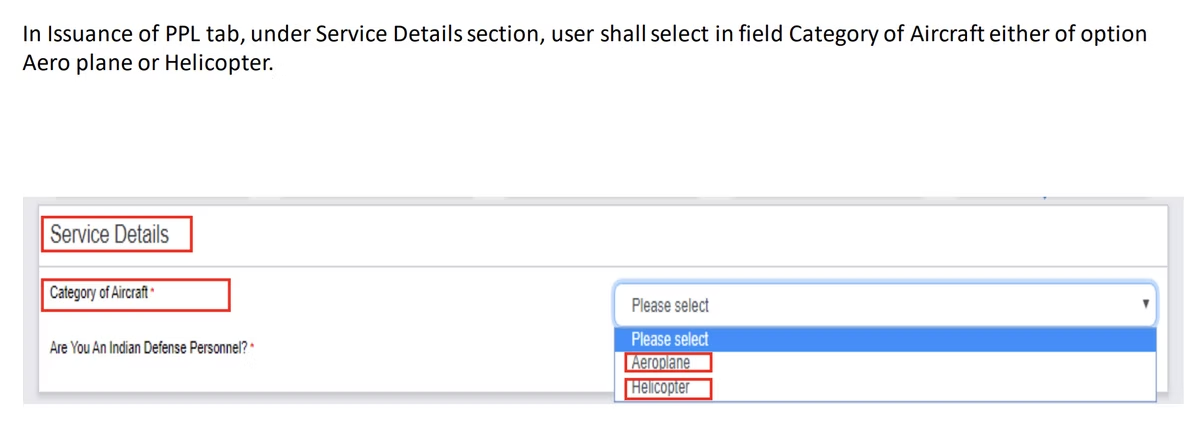
Select the aircraft category. Specify whether you are applying for the aeroplane or helicopter category.
-
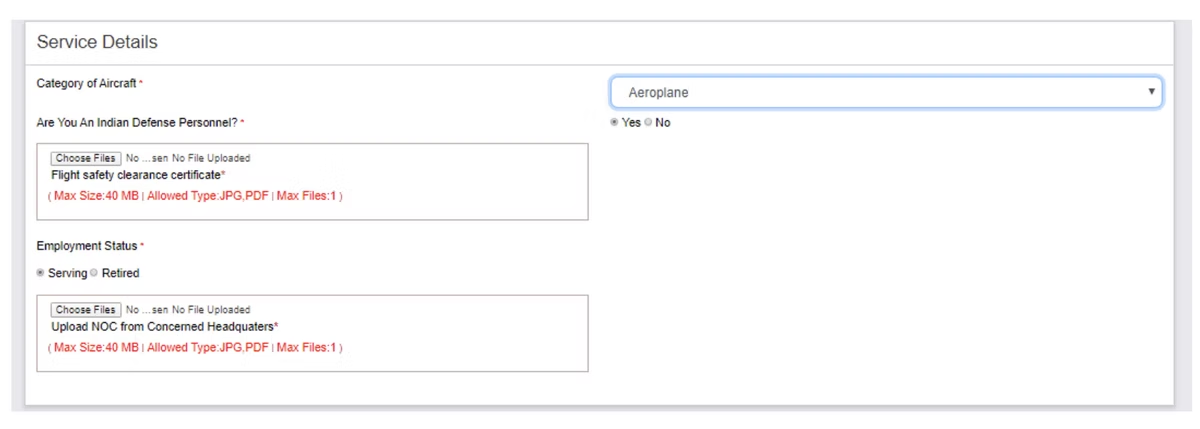
Indicate defence-personnel status. If you are Indian defence personnel, provide the required documentation and details.
-
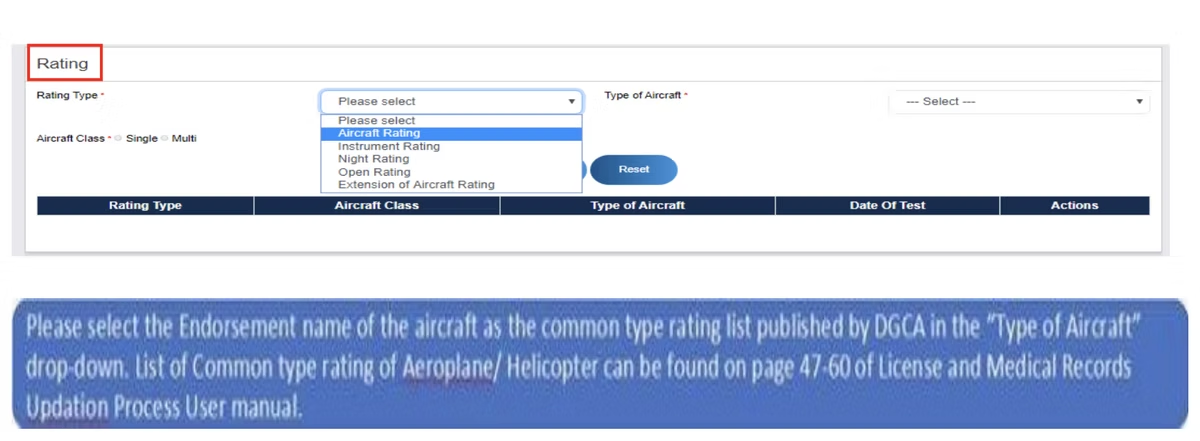
Select the rating type. Choose the rating you are applying for, such as aircraft rating, instrument rating, night rating, or extension of an aircraft rating.
-
Enter your flying-experience details. Record the flying experience and qualifications that correspond to the rating you have chosen.
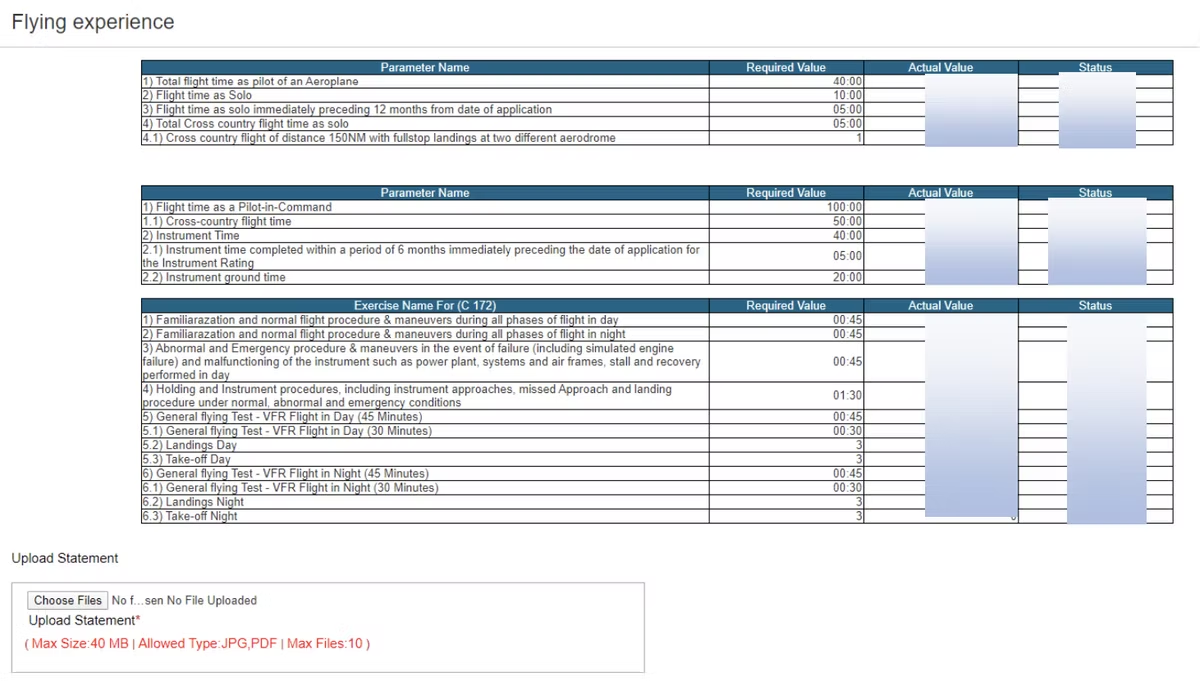
- Add instrument-rating endorsements if relevant. If you are requesting an Instrument Rating, confirm you hold a valid FRTOL and a Class 1 medical, as required. [VERIFY]
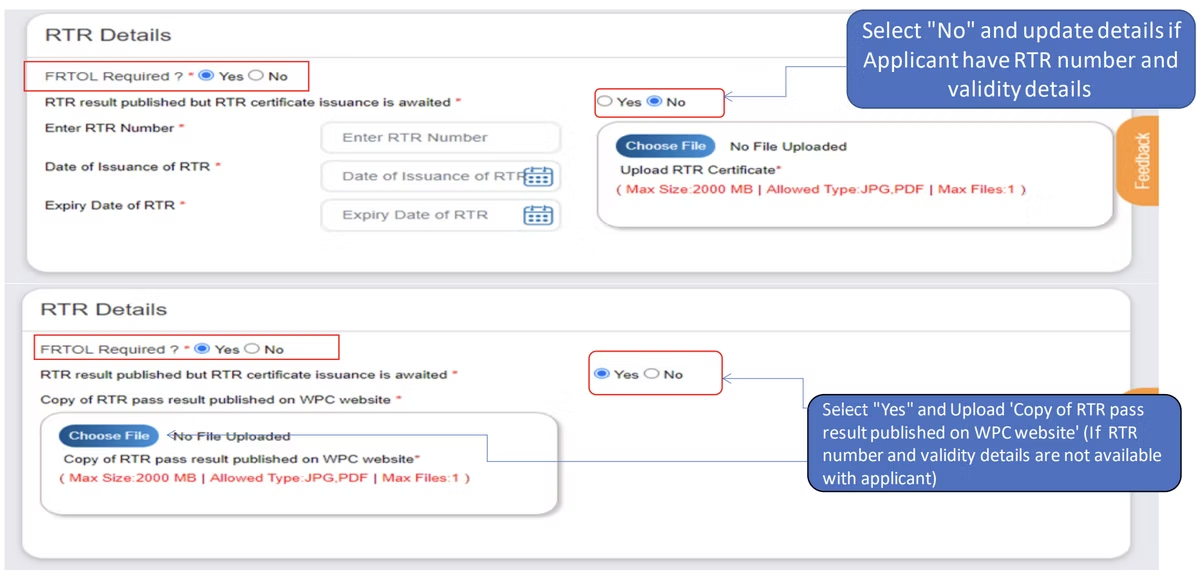
-
Add additional aircraft endorsements if relevant. For an endorsement of additional aircraft, follow the relevant steps and provide the necessary details.
-
Upload ELP and medical certificates. Attach your ELP certificate and the relevant medical certificates.
-
Upload flying-training and supporting documents. Submit the documents related to your flying-training progress and any other information requested.
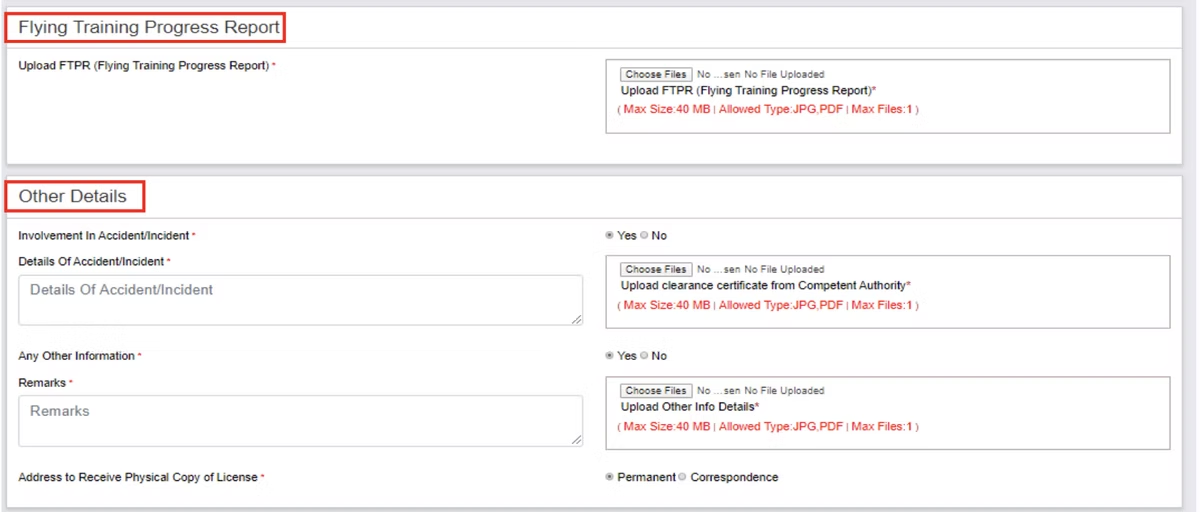
- Provide your address and complete the checklist. Enter the address where you want the physical licence sent, work through the checklist, and upload anything still outstanding.
How fee payment works on Bharatkosh
eGCA routes the licence fee through Bharatkosh, the Government of India’s non-tax receipt payment gateway.
- Proceed to payment. Once the form is submitted, the portal takes you to Bharatkosh to pay the licence-issuance fee.
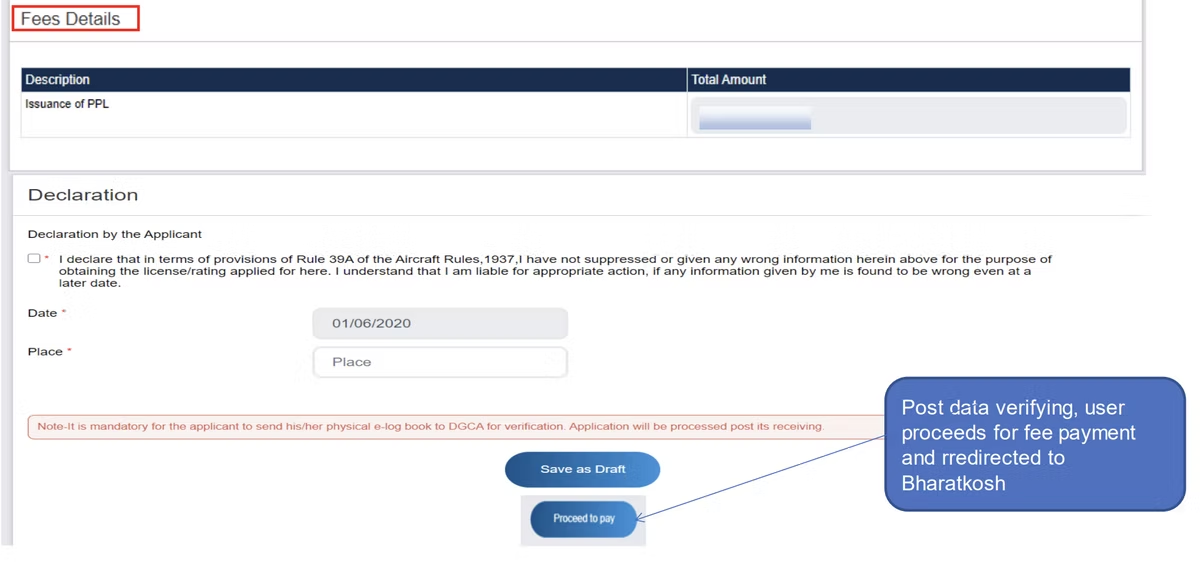
- Verify and pay. Review your details, complete the payment, and confirm the receipt. The PPL issuance fee is the figure set in the DGCA fee schedule, in the region of ₹1,000, so check the current amount shown on the portal before you pay. [VERIFY]
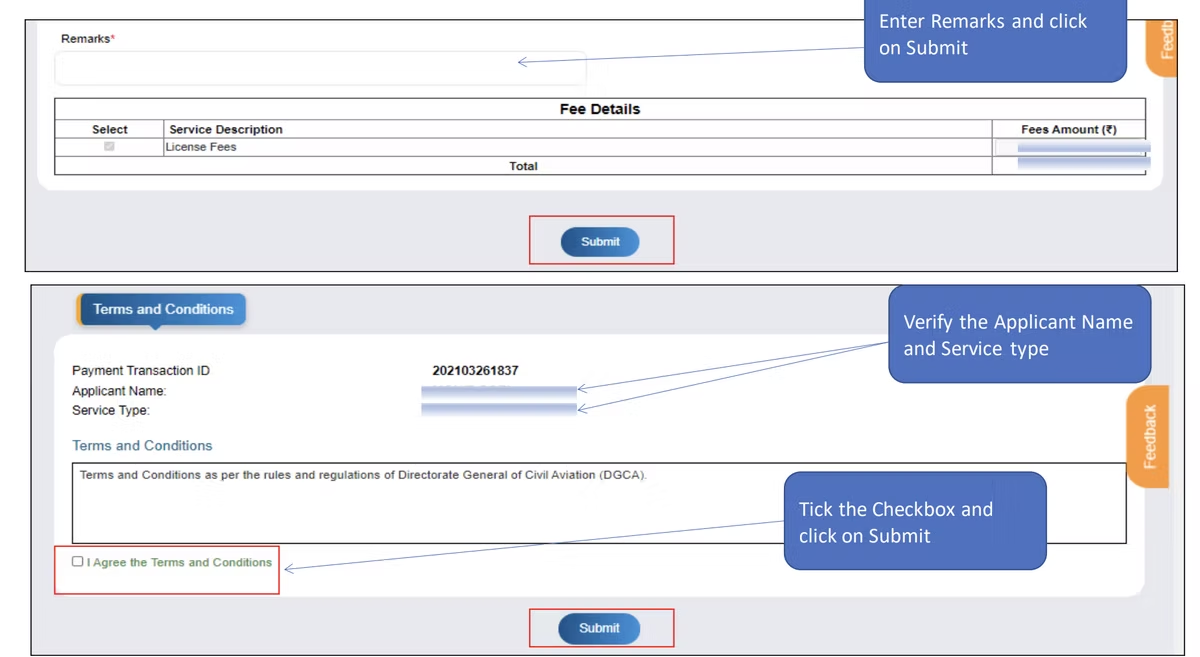
- Save the payment receipt. After a successful payment, your receipt is generated. Keep a copy.
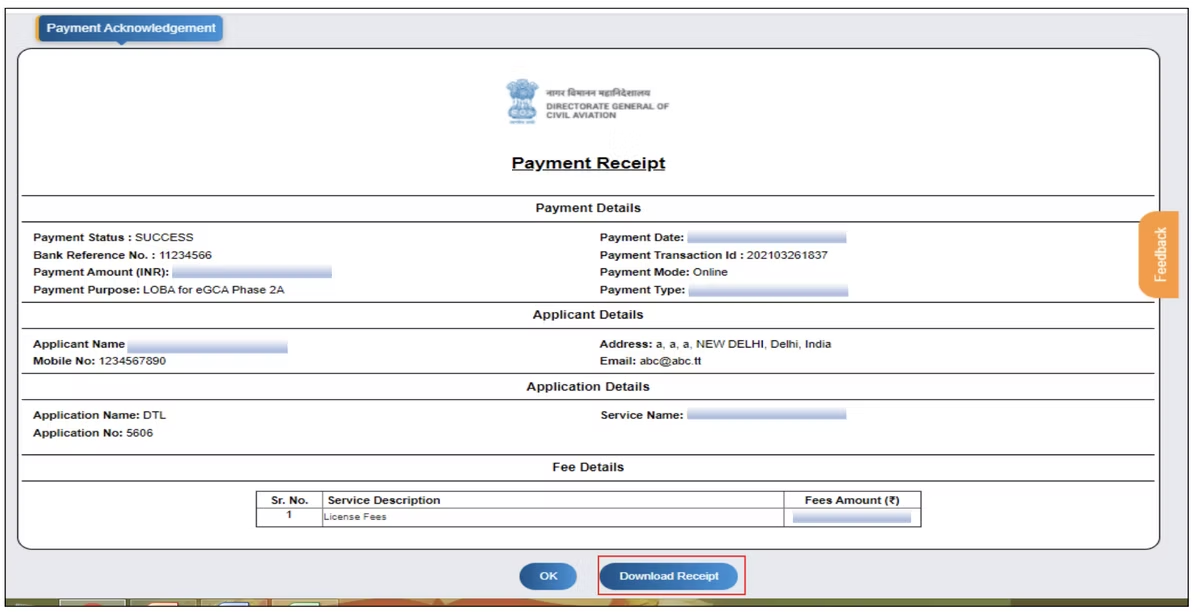
Your application is treated as complete only once the fee is paid and the receipt is generated. The submission date DGCA works from is the date the whole process, including payment, is finalised and received. If a payment fails or a receipt does not generate, the application is not yet in front of DGCA, so resolve it before assuming you are done.
The PPL application flow

Logging the hours your application depends on
The PPL application leans heavily on your flying record, and the same record only grows in importance as you move toward higher ratings and a commercial licence. This is where a digital logbook earns its place. Wingman is a pilot logbook used by 30,000+ pilots across 400+ airlines, and it keeps your hours, currency, and licence details in one place across iOS, Android, and Web.
Wingman is a global product rather than an India-only tool, and it supports DGCA among regulators including the FAA, EASA, UK CAA, GCAA, GACA, NZCAA, HKCAD, CASA, and CAAS, with regulator-compliant exports for each. For India specifically, there is a focused walkthrough on keeping a DGCA pilot logbook in India. There is a free tier up to 250 logged hours, so you can start recording while you are still a student pilot, and you can create an account before your first training flight. Having clean, totalled hours ready makes the flying-experience section of the eGCA form far less stressful.
Frequently asked questions
What is eGCA used for?
eGCA is the DGCA online platform for pilot licensing and related services in India. You use it to apply for licences such as the PPL, manage ratings and medicals, upload supporting documents, and pay fees, all against your personal eGCA record at https://egca.gov.in.
How many flying hours do I need for a PPL in India?
A PPL (Aeroplane) requires a minimum of 40 hours of flight time under DGCA rules, including defined solo and cross-country elements. [VERIFY] Confirm the exact breakdown in the current Civil Aviation Requirements before you apply, since the application checks your logged hours against these minimums.
How is the PPL fee paid on eGCA?
The licence fee is paid through Bharatkosh, the Government of India’s non-tax receipt payment gateway, which the portal opens after you submit the form. Your application is complete only once the payment succeeds and the receipt is generated. [VERIFY]
What medical do I need for a PPL?
A valid Class 2 medical certificate is the minimum for a PPL. If you intend to add an Instrument Rating, a Class 1 medical is required. [VERIFY] Make sure your medical is current and reflected on your eGCA record before you apply.
Is a PPL application the same as a CPL application on eGCA?
No. They run through the same portal but are separate applications with different experience and document requirements. If you are working toward a commercial career, see our guide on how to apply for a CPL on eGCA. [VERIFY]
← All articles